


Introduction
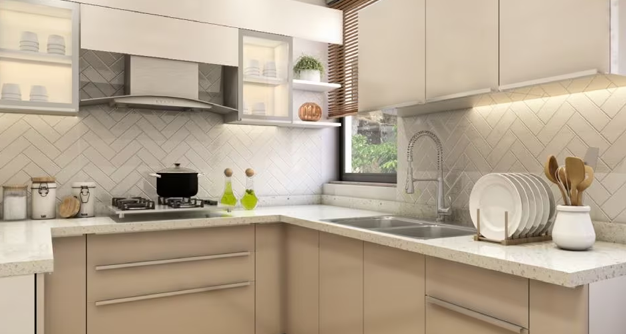
Modular kitchens are the epitome of style and utility. They transform mundane cooking spaces into vibrant, organized hubs.
- Key components of a modular kitchen: cabinets, countertops, and appliances.
- Trending modular kitchen layouts like U-shaped, L-shaped, and island designs.
- Choosing the right materials for durability and aesthetics.
Harbor Health Anchored in Care and Commitment
A kitchen is the heart of the home, where functionality meets creativity. Modular kitchens revolutionize traditional designs, offering smart layouts and customizable options to cater to diverse needs. They combine aesthetics with practicality, making them a popular choice for modern homeowners. In this blog, we explore the art of modular kitchen design, its essential elements, and how you can create a culinary space that is both beautiful and efficient.
1. Understanding Modular Kitchens
A modular kitchen is a pre-designed system composed of cabinets, shelves, and accessories that fit together seamlessly. It prioritizes organization, maximizing available space while enhancing the cooking experience.
Key Features:
- Customizability: Tailor your kitchen to your specific needs, whether it’s more storage, counter space, or a minimalist look.
- Flexibility: Modular kitchens allow you to rearrange or upgrade sections as your needs evolve.
- Ease of Maintenance: With separate modules, cleaning and repairs become easier than ever.
Popular layouts include:
- L-Shaped: Ideal for small to medium spaces, offering ample storage and a streamlined workflow.
- U-Shaped: Perfect for larger kitchens, providing maximum storage and counter space.
- Island Kitchens: A modern design that adds a focal point while offering additional workspace.
2. Choosing the Right Materials
The durability and look of your kitchen largely depend on the materials used.
Common Materials:
- Cabinetry: MDF, plywood, or high-density fiberboard (HDF) are preferred for their strength and resistance to wear.
- Countertops: Options include granite, quartz, or solid surface materials like Corian, each offering durability and style.
- Finishes: Glossy, matte, or acrylic finishes enhance the kitchen’s appearance while being easy to maintain.
Pro Tip: Always choose materials that align with your lifestyle. For example, if you cook frequently, opt for heat-resistant countertops and easy-to-clean finishes.
3. Maximizing Storage and Organization
Efficient storage is a cornerstone of modular kitchen design.
Smart Storage Solutions:
- Pull-Out Drawers: Perfect for utensils, spices, and other essentials.
- Corner Units: Use lazy Susans or corner drawers to utilize awkward spaces.
- Tall Units: Ideal for storing pantry items in small kitchens.
- Overhead Cabinets: Keep less-used items like seasonal cookware within reach but out of sight.
4. Appliances and Technology Integration
Modern modular kitchens seamlessly integrate technology to enhance functionality.
Must-Have Appliances:
- Built-in ovens and microwaves for a sleek, space-saving look.
- Induction cooktops or gas stoves for efficient cooking.
- Smart refrigerators with Wi-Fi connectivity for convenience.
Lighting:
Incorporate task lighting under cabinets or use LED strips for a futuristic touch.
5. Colors and Aesthetics
Your kitchen’s color scheme plays a significant role in creating the desired atmosphere.
Trending Colors:
- Neutral tones: White, beige, or grey for a minimalist, elegant look.
- Bold contrasts: Deep blues, greens, or even black paired with lighter shades for a striking design.
- Pastels: Soft hues like mint or blush for a cozy, inviting space.
Design Tips:
- Use glass cabinet doors to create a sense of openness.
- Add metallic accents like handles or fixtures for a touch of luxury.